
Table of Contents
ToggleHow to Stabilize a Suspected Broken Bone
Broken bones, or fractures, can happen to anyone at any time—during sports, accidents, falls, or even simple daily activities. When they do, knowing how to stabilize the injury quickly and effectively can make a huge difference in recovery. Immediate care can prevent further damage, reduce pain, and even save a life in severe cases. The goal of stabilization isn’t to “fix” the fracture but to protect it until professional medical help is available.
Imagine a bone as a tree branch: if it cracks and you keep bending it, the break worsens. But if you secure it and prevent movement, the branch has a chance to heal without splitting further. Bones are much the same. Whether you’re a parent, a coach, or just someone who happens to be there when an accident strikes, knowing the right steps can make you a real lifesaver.
In this guide, we’ll dive into how to recognize a suspected broken bone, what to do immediately, and the best methods to keep the injury safe until medical professionals can step in. We’ll cover practical techniques, from using proper splints to improvising with everyday items, and even how to handle different types of fractures in various parts of the body.
Understanding Broken Bones
What is a Broken Bone?
A broken bone, medically known as a fracture, occurs when a bone cracks or completely breaks due to external force. Fractures vary widely—from hairline cracks to bones that shatter into multiple pieces. Some breaks are simple and clean, while others can be severe and life-threatening.
Doctors categorize fractures into two main types:
-
Closed fractures: The bone is broken, but the skin remains intact.
-
Open fractures: The bone pierces through the skin, increasing the risk of infection.
Beyond these, fractures can be transverse (straight across the bone), spiral (twisted), comminuted (shattered into several pieces), or greenstick (partial break, more common in children due to softer bones). Understanding these basics helps you recognize why stabilizing is crucial: a fracture isn’t just a crack—it can disrupt nerves, blood vessels, and surrounding tissues if not handled carefully.
Common Causes of Bone Fractures
Broken bones don’t always come from dramatic accidents. Some of the most frequent causes include:
-
Falls – slipping on ice, tripping down stairs, or falling from a height.
-
Sports injuries – football tackles, basketball jumps, or cycling crashes.
-
Car accidents – one of the leading causes of severe fractures.
-
Repetitive stress – overuse injuries, like shin splints that evolve into stress fractures.
-
Medical conditions – osteoporosis and other conditions that weaken bone density.
Signs and Symptoms of a Broken Bone
How do you know if a bone is broken or just sprained? The symptoms can overlap, but fractures usually show:
-
Intense pain, especially when moving or pressing the area.
-
Swelling, bruising, or tenderness.
-
Visible deformity or a limb bent at an unusual angle.
-
Inability to bear weight or use the affected area.
-
A grating sensation when moving (crepitus).
-
In severe cases, exposed bone (open fracture).
Remember: you don’t have to see bone sticking out to confirm a fracture. If it looks wrong and feels wrong, treat it as broken until proven otherwise by a doctor.
First Aid Principles for Suspected Broken Bones
Importance of Staying Calm
When an accident happens, panic is the enemy. If you’re the injured person, panicking raises your heart rate and worsens shock. If you’re the helper, panic makes you clumsy and forgetful. Take a deep breath—staying calm helps you think clearly and keep the injured person reassured.
Think of yourself as the “anchor” in the storm. By projecting calm, you not only make better decisions but also comfort the injured person, which can prevent their condition from deteriorating.
When to Call Emergency Services
Not every fracture needs an ambulance, but some situations absolutely do. Call emergency services immediately if:
-
The bone is sticking out (open fracture).
-
The injured person cannot move safely.
-
The injury involves the head, neck, or spine.
-
There is heavy bleeding that won’t stop.
-
The person shows signs of shock (pale, clammy skin, rapid breathing).
-
The limb looks blue or has no pulse below the injury.
When in doubt, err on the side of caution. Even if it seems like a minor break, getting professional help is always the best choice.
Do’s and Don’ts in Fracture First Aid
Do’s:
-
Keep the person still and calm.
-
Support the injured area without moving it unnecessarily.
-
Apply a splint if trained and materials are available.
-
Check circulation below the injury (look for color, warmth, and pulse).
Don’ts:
-
Don’t try to push a bone back into place.
-
Don’t move the person unless absolutely necessary.
-
Don’t give food or drink if surgery may be needed.
-
Don’t ignore pain or swelling, even if it looks minor.
Assessing the Injury
Checking for Open vs. Closed Fractures
The first thing to determine is whether the fracture is open or closed. Open fractures are medical emergencies due to infection risk, while closed fractures still need careful handling but are less immediately dangerous. Look for:
-
Open fracture: bone visible, bleeding, torn skin.
-
Closed fracture: swelling, deformity, but intact skin.
If it’s an open fracture, controlling bleeding becomes the first priority before immobilization.
Identifying Circulation, Sensation, and Movement
Medical professionals often use the acronym CSM (Circulation, Sensation, Movement) to assess fractures. You can do this too:
-
Circulation: Is the skin below the injury pale or blue? Can you feel a pulse?
-
Sensation: Does the person feel numbness or tingling?
-
Movement: Can they wiggle fingers or toes below the injury site?
Any loss of circulation or sensation is an emergency and requires immediate medical attention.
Recognizing Signs of Shock
Fractures, especially severe ones, can send the body into shock—a life-threatening condition. Watch for:
-
Cold, clammy skin.
-
Rapid but weak pulse.
-
Shallow breathing.
-
Confusion or unconsciousness.
If you notice these signs, lay the person down, elevate their legs slightly (unless it worsens pain or injury), and keep them warm until help arrives.
Stabilizing a Suspected Broken Bone
Immobilizing the Injury
The golden rule of first aid for fractures: immobilize before moving. Movement can cause sharp bone edges to damage blood vessels, nerves, and muscles. The injured area should be stabilized in the position it’s found—never attempt to straighten or “reset” it yourself.
Using Splints and Supports
A splint is any rigid object that keeps the bone from moving. It should extend beyond the joints above and below the fracture. For example, if someone breaks their shin, the splint should stabilize both the ankle and the knee.
Splints can be:
-
Rigid splints – wooden boards, metal strips, or commercial splints.
-
Soft splints – pillows, blankets, or folded clothing.
-
Anatomical splints – using the body itself, such as binding a broken leg to the other leg or an injured finger to the next finger.
Improvised Splinting Methods in Emergencies
If no medical splint is available, creativity is your best tool. Everyday items can work wonders:
Using Household Items as Splints
-
Rolled-up magazines or newspapers.
-
Umbrellas or walking sticks.
-
Cardboard pieces.
-
Towels wrapped tightly for cushioning.
Securing Without Restricting Blood Flow
When tying the splint, use bandages, belts, or strips of cloth, but avoid wrapping too tightly. Check circulation frequently: if fingers or toes turn blue, loosen the bindings immediately.
Specific Techniques for Different Bones
Stabilizing Arm and Wrist Fractures
Arm and wrist fractures are among the most common injuries, especially from falls. The goal here is to keep the arm from moving while reducing pain. Start by supporting the injured arm with a sling. If you don’t have a medical sling, a triangular bandage or even a shirt can be tied to support the arm across the chest. The elbow should be bent at about 90 degrees, with the hand slightly elevated to reduce swelling.
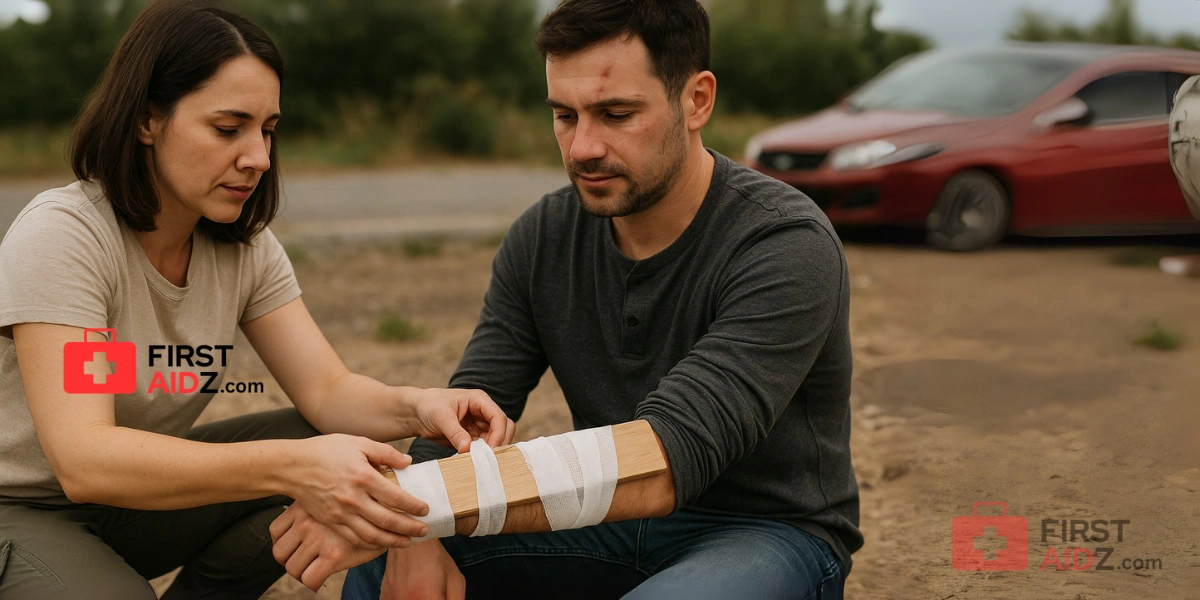
Next, consider splinting. Place a rigid object, like a flat board, along the arm from the elbow to the hand. Pad it with clothing or soft material to prevent pressure points. Secure it loosely with cloth or bandages, making sure circulation remains intact. Fingers should remain visible and mobile so you can monitor color and sensation.
If the wrist alone is fractured, a padded splint extending from the palm to just below the elbow works best. You can also roll a newspaper into a tube, slide the arm inside, and secure it with tape. Avoid trying to straighten bent or deformed bones—leave alignment to professionals.
Stabilizing Leg and Ankle Fractures
Leg and ankle fractures can be more serious since they carry body weight and often make moving the injured person extremely difficult. For stabilization, keep the leg in the position found. Apply a rigid splint that covers from the hip or knee all the way down past the ankle. If you don’t have medical splints, you can use sticks, boards, or even rolled blankets.
An effective method is anatomical splinting, where the injured leg is tied gently to the uninjured leg, using clothing, belts, or strips of fabric. This provides natural support and prevents movement. Cushioning between the legs is essential to avoid additional pain.
For ankle injuries, wrap the foot and ankle securely with a soft splint, such as a pillow or thick clothing, then tape or tie it in place. Keep the foot elevated slightly to reduce swelling until help arrives.
Handling Rib and Collarbone Injuries
Rib fractures are tricky because they can’t easily be splinted without affecting breathing. The best first aid is rest, minimizing movement, and supporting the chest with a pillow or folded blanket when coughing or breathing deeply. Encourage the person to take slow, steady breaths—shallow breathing can lead to lung complications like pneumonia.
For a broken collarbone, support is key. A sling can hold the arm close to the chest, preventing shoulder movement. Alternatively, you can tie a long strip of fabric across the chest and around the arm to keep it immobilized. The injured person should sit upright, as lying flat can worsen pain and discomfort.
Special Considerations for Head, Neck, and Spine Injuries
These are the most critical fractures and require extreme caution. If you suspect a neck or spinal fracture, do not move the person unless they are in immediate danger (such as fire or collapsing structure). Movement could cause permanent paralysis.
Stabilization involves keeping the head and neck aligned with the spine. You can do this by placing rolled towels or clothing on either side of the head and gently holding the head steady until emergency services arrive. For head fractures or severe trauma, cover open wounds lightly with a sterile cloth, control bleeding, and monitor breathing and consciousness closely.
Managing Pain and Discomfort
Applying Ice Safely
Ice is a simple but effective tool for managing pain and swelling. Wrap ice in a cloth or towel—never apply directly to skin—and place it gently on the injured area for 15–20 minutes at a time. This reduces inflammation and helps with pain control. If no ice pack is available, a bag of frozen vegetables works just as well.
Positioning for Comfort
Sometimes the best relief comes from positioning. For arm fractures, supporting the arm with pillows while sitting upright reduces strain. For leg injuries, keeping the leg slightly elevated with cushions minimizes swelling. Comfort is key—let the injured person guide what feels best, as long as it doesn’t involve unnecessary movement.
Over-the-Counter Pain Relief Options
If medical advice is available, over-the-counter painkillers like acetaminophen (paracetamol) or ibuprofen can help ease discomfort. However, avoid giving medications if the person is unconscious, nauseated, or might require surgery soon. Pain management should never come before stabilization and safety.
Transporting Someone with a Broken Bone
Safe Movement Techniques
Moving someone with a suspected fracture requires caution. If the injury is to the arm, supporting it in a sling is often enough for them to walk carefully to transport. Leg fractures are more complicated—avoid moving unless absolutely necessary.
If movement cannot be avoided, carry the person using a stretcher, a sturdy board, or even a door taken off its hinges. Make sure the injured limb is immobilized and cushioned before attempting any transport. Always move slowly and steadily, with at least two helpers if possible.
When to Wait for Professional Help
If the fracture involves the spine, pelvis, or multiple injuries, wait for emergency professionals. Improper handling can cause lifelong damage. When in doubt, it’s safer to stay put and keep the person comfortable until trained responders arrive.
Using Stretchers or Makeshift Carriers
Improvised stretchers can be lifesavers in emergencies. Blankets, tarps, or even strong jackets can be used to carry someone by placing poles or sticks along the edges for support. A chair can also serve as a transport tool for moving someone short distances if they cannot walk.
Preventing Further Injury
Why Immobilization is Crucial
Immobilization does more than reduce pain—it prevents complications. Bones with sharp edges can cut into surrounding muscles, nerves, or blood vessels if allowed to move. This can turn a simple fracture into a medical emergency. Keeping the injured part still buys valuable time and prevents worsening damage.
Avoiding Unnecessary Movement
Even well-meaning helpers sometimes make mistakes, like trying to “test” the injury by moving it. Avoid this at all costs. Once stabilized, keep the area as still as possible. Every jolt or shift risks worsening the break.
Monitoring for Worsening Symptoms
Fractures can take a turn for the worse if circulation or nerves are affected. Keep checking for:
-
Fingers or toes turning blue.
-
Loss of feeling below the injury.
-
Increasing swelling or tightness.
-
Severe pain that worsens despite immobilization.
If any of these appear, loosen bindings slightly and seek medical help immediately.
When Professional Treatment is Essential
Emergency Red Flags
Not all fractures are created equal. Some require immediate emergency care rather than just stabilization. You should call for professional help right away if you notice:
-
Open fractures where the bone pierces through the skin.
-
Heavy bleeding that doesn’t stop with direct pressure.
-
Loss of circulation below the injury (no pulse, blue skin, cold to touch).
-
Head, neck, or spine injuries, as these can be life-threatening.
-
Severe deformity where the limb looks twisted or bent unnaturally.
-
Multiple fractures from major accidents like car crashes.
In these cases, waiting too long could lead to permanent damage or even loss of life. Quick medical attention ensures that the person gets proper treatment, surgery if needed, and infection prevention.
Hospital Diagnosis and Treatment Options
Once in the hospital, doctors will confirm the fracture through X-rays or scans. Depending on the type and severity of the break, treatments may include:
-
Casting or splinting – for simple fractures.
-
Traction – to realign bones slowly.
-
Surgery with metal plates, screws, or rods – for severe or displaced fractures.
-
External fixation – where pins and frames hold bones in place outside the body.
Doctors will also manage pain, prescribe antibiotics if needed (especially for open fractures), and monitor for complications like blood clots or infections.
Importance of Follow-Up Care
Stabilizing and treating the fracture is only the beginning. Follow-up care ensures proper healing and prevents long-term problems. This often includes:
-
Regular X-rays to monitor healing progress.
-
Cast adjustments if swelling changes.
-
Physical therapy once the bone is strong enough.
-
Lifestyle modifications to prevent re-injury.
Skipping follow-up visits can result in bones healing incorrectly, leading to chronic pain, deformity, or limited mobility.
Recovery and Rehabilitation
Healing Time for Different Bones
Bones don’t all heal at the same pace. Factors like age, overall health, and type of fracture play big roles. On average:
-
Arms and wrists – 6 to 8 weeks.
-
Legs – 8 to 12 weeks.
-
Ribs – 4 to 6 weeks.
-
Collarbone – 6 to 10 weeks.
Children typically heal faster due to stronger bone regeneration, while older adults or those with conditions like osteoporosis may take longer.
Role of Physiotherapy
After the cast or splint comes off, the real challenge begins—regaining movement and strength. Muscles often weaken after weeks of immobility, and joints become stiff. Physiotherapists use targeted exercises, stretches, and massage to restore mobility and function. Skipping rehab can leave you with stiffness or permanent limitations.
Nutrition for Stronger Bones
Food plays a massive role in recovery. Bones need the right nutrients to knit back together properly:
-
Calcium – found in milk, cheese, leafy greens.
-
Vitamin D – from sunlight, eggs, and fortified foods.
-
Protein – essential for muscle repair.
-
Magnesium and zinc – for bone density.
Staying hydrated and avoiding smoking or excessive alcohol also speeds up healing.
Preventing Bone Injuries in the Future
Lifestyle Tips for Stronger Bones
Strong bones don’t just happen—they’re built through healthy habits. Weight-bearing exercises like walking, jogging, and resistance training stimulate bone growth. Maintaining a balanced diet rich in calcium and vitamin D is equally important.
Avoiding smoking and limiting alcohol intake also helps preserve bone strength. Smoking reduces calcium absorption, while alcohol interferes with vitamin D metabolism—both weaken bones over time.
Exercise and Fall Prevention
For older adults, falls are the leading cause of fractures. Simple measures like balance exercises (yoga, tai chi), good footwear, and installing grab bars in bathrooms can drastically reduce risks. Keeping living spaces clutter-free also prevents tripping hazards.
Protective Gear for Sports and Work
If you play high-impact sports or work in environments with fall risks, protective gear is non-negotiable. Helmets, wrist guards, shin pads, and proper shoes reduce the chance of serious injury. Even at home, using gloves when lifting heavy objects or knee pads for gardening can help avoid accidents.
Common Myths About Broken Bones
“If You Can Move It, It’s Not Broken”
This is one of the most dangerous myths. Many people believe that if they can wiggle their fingers or toes, the bone must be fine. In reality, fractures can still allow limited movement. A person might walk on a fractured ankle or grip objects with a broken wrist. Movement does not rule out a break.
“Broken Bones Always Show on the Outside”
Not true. Some fractures are internal and may not show obvious deformities. Stress fractures, hairline cracks, and even deep bone breaks can be invisible without an X-ray. Bruising, swelling, and pain might be the only clues.
“You Don’t Need a Doctor for Minor Fractures”
Ignoring a fracture because it “doesn’t look bad” is a huge mistake. Even minor fractures can heal incorrectly, leading to long-term pain, reduced mobility, and arthritis. A professional assessment is always necessary to ensure proper healing.
Final Thoughts on Stabilizing Broken Bones
Broken bones can be frightening, but with the right first aid knowledge, you can make a major difference. The key steps are recognizing the signs, keeping the injury still, applying a splint if possible, and seeking professional medical care. Remember: you’re not there to fix the bone—you’re there to protect it until experts take over.
Whether it’s a child falling at the playground, a co-worker injured on the job, or an elderly family member slipping at home, knowing how to stabilize a suspected broken bone is an essential life skill. Acting quickly, calmly, and correctly can prevent complications and set the stage for smooth recovery.
FAQs
Q1: Can I splint a bone without medical training?
Yes. Even without medical training, you can use household items like boards, pillows, or rolled-up magazines to create a splint. The key is to keep the bone stable without cutting off circulation.
Q2: How do I know if it’s broken or just sprained?
Sprains affect ligaments, while fractures affect bones. Both can cause swelling and pain, but fractures often come with deformity, inability to bear weight, and more intense pain. When unsure, treat it as a fracture until a doctor confirms otherwise.
Q3: Should I try to straighten a broken bone?
No. Never attempt to realign or push a bone back into place. This can cause further damage to tissues, nerves, and blood vessels. Leave realignment to medical professionals.
Q4: What if the injured person is unconscious?
If unconscious, check for breathing and pulse first. Call emergency services immediately. Stabilize the suspected fracture only if it doesn’t interfere with life-saving CPR or airway management.
Q5: Can kids heal faster from broken bones than adults?
Yes. Children typically heal much quicker than adults due to stronger bone regeneration. However, fractures in growth plates (near joints) need special care to avoid long-term issues.
1 thought on “How to Stabilize a Suspected Broken Bone”
Comments are closed.