
Table of Contents
ToggleHow to Treat Muscle Cramps and Spasms
Introduction to Muscle Cramps and Spasms
Muscle cramps and spasms are problems that almost everyone experiences at some point in life. You might be lying in bed at night, suddenly jolted awake by a sharp pain in your calf, or perhaps you’re exercising and your muscles tighten unexpectedly. These painful, involuntary contractions can disrupt your day, affect your sleep, and even limit your mobility if not managed properly. While cramps and spasms are often temporary and harmless, they can sometimes indicate an underlying health condition that requires attention.
What Are Muscle Cramps?
Muscle cramps are sudden, involuntary contractions of one or more muscles. They often feel like a hard knot that won’t relax, causing sharp or throbbing pain. Cramps usually occur in muscles that are used frequently, such as those in the legs, calves, feet, and thighs. They may last a few seconds to several minutes and can leave residual soreness afterward.
For example, a common type of muscle cramp is the “charley horse”—a painful tightening in the calf muscle. Cramps can happen during or after exercise, while resting, or even during sleep. They may be triggered by overexertion, dehydration, or a lack of essential nutrients such as potassium, magnesium, and calcium. Even though cramps are usually harmless, the discomfort can be intense enough to make you stop in your tracks.
What Are Muscle Spasms?
Muscle spasms, while similar to cramps, are slightly different. A spasm refers to an involuntary muscle contraction that may not always be painful but can still cause stiffness, twitching, or jerking movements. Unlike cramps, spasms can be repetitive and may last longer, sometimes occurring in groups of muscles. Back spasms, for instance, are a common complaint in people with poor posture, stress, or injuries.
Spasms can be mild, such as an eyelid twitch caused by fatigue, or severe, such as back spasms that make it difficult to stand upright. They are often linked to nerve issues, muscle strain, or underlying conditions like multiple sclerosis or spinal disc problems. While many spasms resolve on their own, recurring or severe episodes should not be ignored.
Why Understanding Them Matters
Understanding the difference between cramps and spasms is important because it helps in choosing the right treatment. A simple calf cramp may only need stretching and hydration, while recurrent muscle spasms in the back might signal a deeper issue. By learning the causes, prevention strategies, and treatments, you can take control of your muscle health, reduce discomfort, and improve your quality of life.
Common Causes of Muscle Cramps and Spasms
Muscle cramps and spasms don’t just happen out of nowhere. There’s usually a reason behind them. Identifying the root cause is the first step in managing and preventing them. Let’s break down the most common triggers.
Dehydration and Electrolyte Imbalance
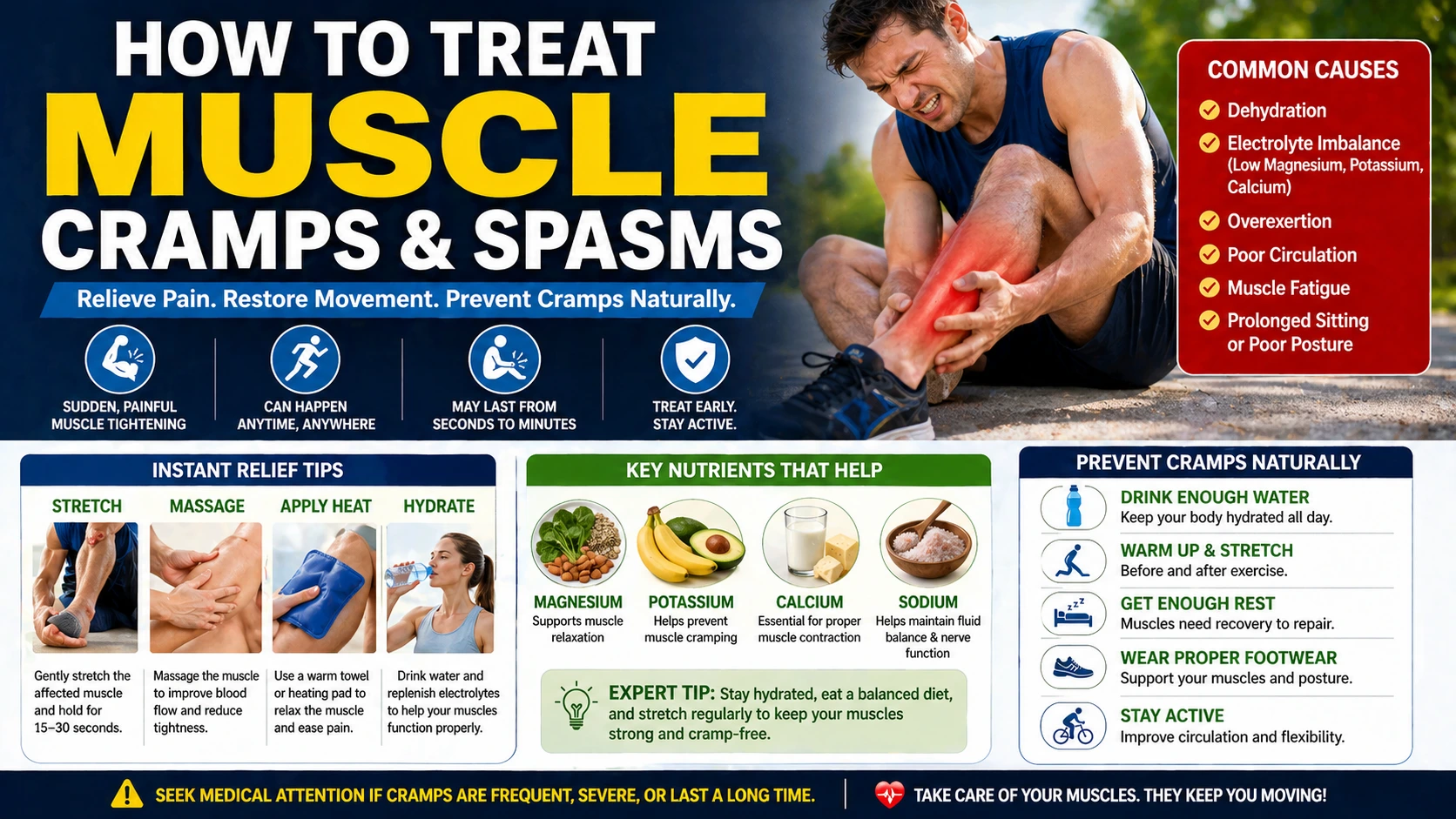
One of the top causes of cramps is dehydration. Muscles need proper hydration to function, and when your body loses too much fluid through sweat, illness, or not drinking enough water, it disrupts the balance of electrolytes—minerals like sodium, potassium, calcium, and magnesium. These electrolytes are essential for muscle contractions and relaxation. Without them, your muscles misfire, leading to painful cramps.
Think of your muscles as electrical wires. Electrolytes act as the conductors that keep the current flowing smoothly. If the wires lose their connection, sparks fly—just like how cramps strike when your body is running low on essential minerals.
Poor Blood Circulation
If blood flow to your muscles is limited, they won’t get enough oxygen and nutrients to work properly. This is common in people with circulatory issues, such as peripheral artery disease (PAD), or those who sit or stand in one position for too long. Restricted circulation leads to fatigue and, eventually, cramping.
For example, if you notice leg cramps while walking that ease when you rest, it may be a sign of circulation problems. This is why stretching, moving around frequently, and improving cardiovascular health are key in preventing cramps.
Overuse and Muscle Fatigue
Overworking your muscles, whether during exercise or daily activities, can trigger cramps and spasms. Athletes often experience this when they push their limits without proper warm-ups or hydration. Even non-athletes can suffer from muscle fatigue—such as after a long day of standing, lifting, or repetitive movements.
Muscle fatigue means your muscles are basically “overloaded” and can’t function smoothly, causing involuntary contractions. It’s like a machine overheating after running too long—it needs a break before it breaks down completely.
Underlying Medical Conditions
Sometimes, cramps and spasms are more than just a temporary annoyance. They may signal health issues such as:
-
Diabetes (nerve damage can trigger cramps)
-
Thyroid disorders (affect metabolism and muscle function)
-
Neurological conditions (like Parkinson’s disease or multiple sclerosis)
-
Kidney disease (causing electrolyte imbalances)
-
Medications (diuretics, statins, or blood pressure drugs)
In these cases, treating the underlying condition is the best way to reduce cramps and spasms.
Early Signs and Symptoms
Before a full-blown cramp or spasm strikes, your body may give you some warning signals. Recognizing these early signs can help you act quickly and prevent the discomfort from worsening.
How to Recognize a Muscle Cramp
A muscle cramp typically begins with a sudden, sharp pain. The muscle feels hard to the touch, almost like a knot. Some people describe it as a tightening or seizing sensation. It often happens in the legs—especially the calves, thighs, and feet—but can occur in any muscle.
Night cramps, also called nocturnal leg cramps, are particularly disruptive because they wake you from sleep and make it hard to fall back asleep. You may notice your toes curling involuntarily, or your calf muscle tightening so strongly that it feels impossible to move.
Symptoms of Muscle Spasms
Spasms can be a bit trickier to identify because they don’t always cause sharp pain. Instead, you might feel:
-
A twitching sensation under the skin
-
Tightness or stiffness in the affected area
-
Jerking or uncontrollable movements
-
A dull ache or heaviness in the muscle
For instance, eye spasms feel like an uncontrollable twitching of the eyelid, often triggered by fatigue, stress, or too much caffeine. Back spasms, on the other hand, can cause sudden pain that makes bending or walking difficult.
Differences Between Cramps and Spasms
While cramps and spasms are often used interchangeably, they’re not exactly the same. Here’s a quick breakdown:
| Feature | Muscle Cramps | Muscle Spasms |
|---|---|---|
| Pain level | Usually very painful | May or may not be painful |
| Duration | Seconds to minutes | Can last minutes to hours |
| Muscle feel | Hard, tight knot | Twitching or tightening |
| Cause | Often dehydration, fatigue | Often nerve-related, injury, or stress |
Understanding these differences helps you choose the right relief method.
Immediate Relief for Muscle Cramps
When a cramp hits, the pain can be so intense that you just want it to stop immediately. Fortunately, there are quick ways to relieve the discomfort and relax the muscle.
Stretching and Massaging the Muscle
The fastest way to deal with a cramp is to gently stretch and massage the muscle. For example:
-
Calf cramp: Straighten your leg, pull your toes toward your head, and hold the stretch.
-
Thigh cramp: Pull your foot back toward your buttocks while standing to stretch the front thigh.
-
Foot cramp: Stand and press the foot flat against the ground or massage the arch with your hands.
Massaging helps increase blood flow to the area, easing the contraction and speeding up recovery.
Applying Heat or Cold Therapy
-
Heat therapy (using a heating pad, warm towel, or hot shower) relaxes tense muscles and increases blood circulation.
-
Cold therapy (using an ice pack) numbs the pain and reduces inflammation, especially if the cramp has caused soreness.
Some people prefer alternating between heat and cold to get the best relief.
Hydrating and Restoring Electrolytes
If your cramps are caused by dehydration, drinking water or an electrolyte-rich drink like coconut water or sports drinks can help. Foods high in potassium (bananas, avocados), magnesium (spinach, almonds), and calcium (milk, yogurt) also play a key role in restoring balance.
Breathing and Relaxation Techniques
When a cramp strikes, people often tense up, making it worse. Practicing deep breathing helps relax the body and calm the nervous system. Try inhaling deeply through your nose, holding for a few seconds, and exhaling slowly through your mouth while gently stretching the muscle.
Home Remedies for Muscle Spasms
Unlike cramps, spasms may not always require immediate stretching. Instead, long-term home remedies can reduce their frequency and severity.
Herbal Remedies and Natural Oils
Some natural remedies have muscle-relaxing properties:
-
Chamomile tea: Contains compounds that relax muscle fibers.
-
Turmeric: Its anti-inflammatory properties help soothe sore muscles.
-
Essential oils: Lavender, peppermint, and eucalyptus oils massaged into the skin may reduce spasms.
These remedies are not only effective but also provide a calming effect for the mind and body.
Warm Baths and Epsom Salt Soaks
A warm bath helps relax stiff muscles, while Epsom salts provide magnesium absorption through the skin. This can be particularly helpful for people with recurring leg cramps at night.
Balanced Diet for Muscle Health
What you eat greatly affects muscle function. A diet rich in:
-
Leafy greens (magnesium, calcium)
-
Fruits (potassium, hydration)
-
Lean proteins (muscle repair)
-
Whole grains (energy supply)
…keeps your muscles strong and less prone to spasms.
Lifestyle Adjustments
Simple changes in daily life can prevent spasms:
-
Avoid sitting in the same position for too long
-
Incorporate stretching exercises into your routine
-
Stay hydrated throughout the day
-
Reduce stress through yoga, meditation, or breathing exercises
These adjustments, though small, can make a huge difference in long-term muscle health.
Preventive Measures for Muscle Cramps and Spasms
The best way to deal with cramps and spasms is to prevent them before they even start. Prevention means creating an environment in your body where muscles can contract and relax smoothly without interruption. By making a few simple adjustments to your daily routine, you can significantly reduce the frequency of these painful episodes.
Stay Hydrated Throughout the Day
Water is the foundation of muscle health. Muscles are made up of about 75% water, so even mild dehydration can trigger cramping. Make it a habit to drink water regularly rather than waiting until you feel thirsty. Athletes or people who sweat heavily should pay extra attention to fluid intake, especially in hot climates.
For an added boost, include electrolyte-rich drinks if you’re exercising intensely or working outdoors. Coconut water, electrolyte powders, or sports drinks (in moderation) help replace lost sodium, potassium, and magnesium. Remember, balance is key—too much plain water without replenishing electrolytes can also lead to cramping.
Stretch Before and After Activity
Muscles love being warmed up before activity and cooled down afterward. Stretching increases flexibility, improves blood circulation, and prevents the muscle fibers from tightening too quickly. Focus on areas prone to cramps, such as calves, hamstrings, and thighs.
For example:
-
Before exercise: Do dynamic stretches (like leg swings or walking lunges).
-
After exercise: Perform static stretches, holding each one for 20–30 seconds to relax the muscles.
Even if you’re not exercising, gentle stretching before bedtime can prevent night cramps.
Maintain a Nutrient-Rich Diet
Your muscles rely on a steady supply of nutrients to function properly. A diet lacking in key vitamins and minerals leaves them vulnerable to spasms. Focus on:
-
Potassium-rich foods: Bananas, oranges, sweet potatoes, and avocados.
-
Magnesium sources: Nuts, seeds, spinach, and whole grains.
-
Calcium-rich foods: Milk, yogurt, cheese, and fortified plant-based alternatives.
-
Vitamin D: Helps your body absorb calcium—found in fatty fish, fortified foods, or sunlight exposure.
A balanced diet ensures that your muscles are fueled with everything they need to work smoothly.
Wear Proper Footwear and Posture Support
Believe it or not, your shoes can play a role in cramps and spasms. Poorly fitted shoes or those with minimal support can strain the muscles in your feet, calves, and legs. Choose footwear with good arch support, especially if you’re on your feet for long hours.
Similarly, maintaining good posture reduces unnecessary strain on your back and neck muscles. If you work at a desk, adjust your chair, keep your feet flat on the floor, and take breaks to stretch every hour.
Exercises to Strengthen Muscles and Reduce Spasms
Exercise is one of the most effective ways to keep cramps and spasms at bay. Strong, flexible muscles are less likely to misfire. However, it’s not about overexertion—it’s about smart, consistent movements that support your muscle health.
Stretching Routines for Flexibility
Flexibility keeps your muscles elongated and reduces tightness. Incorporate daily stretches like:
-
Calf stretch: Stand facing a wall, place your hands against it, and step one foot back while keeping it flat. Hold for 30 seconds, then switch.
-
Hamstring stretch: Sit with one leg extended forward, reach for your toes, and hold the stretch gently.
-
Quadriceps stretch: Stand on one leg, pull your other foot toward your buttocks, and hold.
Doing these stretches daily, even for 10 minutes, can make a noticeable difference.
Strength Training for Stability
Weak muscles tire easily and are more prone to cramping. Strengthening your core and leg muscles helps distribute workload evenly, reducing fatigue. Some effective exercises include:
-
Squats and lunges (for legs and thighs)
-
Planks (for core stability)
-
Calf raises (for lower legs)
Start light and gradually increase resistance. Aim for two to three sessions per week.
Low-Impact Activities
Not all exercise needs to be high-intensity. Low-impact activities improve circulation and muscle endurance without straining the body. Examples include:
-
Swimming
-
Yoga
-
Pilates
-
Walking or cycling
These activities keep your muscles active, flexible, and strong, while also promoting relaxation.
Breathing and Relaxation Movements
Muscle spasms are often worsened by stress. Practicing controlled breathing, yoga poses, or even simple meditation can keep your body and mind relaxed, lowering the risk of stress-induced spasms. Think of it as giving your muscles a mental break, too.
When to See a Doctor
While most muscle cramps and spasms are harmless, persistent or severe cases may point to something more serious. Knowing when to seek medical help can save you from bigger health problems down the road.
If Cramps Happen Frequently
Occasional cramps are normal, but if they occur daily or interrupt your sleep regularly, it’s worth discussing with a doctor. Frequent cramps may indicate dehydration, poor circulation, or an underlying medical condition.
If Pain Is Severe and Long-Lasting
Most cramps subside within a few minutes. If the pain lingers for hours or makes it difficult to move, medical evaluation is necessary. Severe, recurring spasms may be linked to nerve damage or chronic conditions.
If Other Symptoms Accompany Spasms
Seek medical advice if spasms are accompanied by:
-
Swelling or redness
-
Muscle weakness
-
Numbness or tingling
-
Trouble walking or standing
These may signal vascular problems, neurological disorders, or other medical concerns.
If Medications Could Be a Cause
Certain prescription drugs—like diuretics, statins, or blood pressure medications—are known to cause cramps as side effects. If you notice a pattern after starting new medication, consult your doctor to discuss alternatives or dosage adjustments.
Medical Treatments for Persistent Muscle Issues
If lifestyle changes and home remedies aren’t enough, doctors may recommend medical interventions. These treatments aim to address the root cause and provide long-term relief.
Muscle Relaxants
For severe or chronic spasms, doctors may prescribe muscle relaxant medications. These work by calming the nervous system signals that cause involuntary contractions. However, they’re usually a short-term solution due to potential side effects.
Physical Therapy
A physical therapist can design a personalized plan that includes stretches, strengthening exercises, and posture correction techniques. This helps retrain your muscles to function properly and prevents spasms from recurring.
Electrolyte Supplements
If tests reveal a mineral deficiency, supplements may be recommended. Magnesium and potassium supplements are commonly used to restore balance. Always follow medical advice, as over-supplementation can be harmful.
Treatment for Underlying Conditions
When cramps are a symptom of another condition (such as diabetes, thyroid imbalance, or vascular issues), treating the root problem is essential. This might involve medication adjustments, surgery, or disease-specific therapies.
Role of Nutrition in Muscle Health
Food is not just fuel—it’s medicine for your muscles. Every contraction and relaxation depends on the nutrients you feed your body. A poor diet lacking essential minerals and vitamins is one of the biggest hidden causes of cramps and spasms. By improving your nutrition, you can support healthy muscles, prevent painful episodes, and recover faster when they do occur.
Potassium: The Muscle Relaxer
Potassium is a superstar mineral when it comes to muscle health. It helps regulate nerve signals and muscle contractions. Low potassium levels (a condition called hypokalemia) can lead to frequent cramps, fatigue, and even irregular heartbeats.
Great sources of potassium include:
-
Bananas
-
Sweet potatoes
-
Avocados
-
Oranges
-
Beans and lentils
Eating a potassium-rich snack after exercise can help restore balance and keep cramps at bay.
Magnesium: The Calming Mineral
Magnesium plays a direct role in muscle relaxation. Without it, your muscles stay tense and are more likely to cramp. Studies suggest that many people don’t get enough magnesium from their diet, which explains the rising cases of nighttime cramps.
You can boost your intake by adding:
-
Dark leafy greens (spinach, kale)
-
Nuts and seeds (almonds, pumpkin seeds)
-
Whole grains
-
Dark chocolate
Magnesium supplements are also an option, especially for those with chronic cramps, but always consult a doctor before starting.
Calcium and Vitamin D: The Dynamic Duo
Calcium is essential for muscle contraction, while vitamin D ensures your body absorbs and uses calcium effectively. Without enough calcium, your muscles may misfire, leading to cramps. Low vitamin D can make this problem worse.
Sources of calcium:
-
Dairy products (milk, yogurt, cheese)
-
Fortified plant-based milk
-
Sardines and salmon with bones
Sources of vitamin D:
-
Sunlight exposure (10–20 minutes daily)
-
Fatty fish (salmon, mackerel, tuna)
-
Fortified foods
Pairing calcium and vitamin D is like giving your muscles a strong support system—they work better together.
Hydration and Balanced Meals
Nutrition isn’t only about minerals. A balanced diet with enough protein, complex carbohydrates, and healthy fats supports muscle repair and endurance. Hydrating with water and natural fluids like coconut water ensures that nutrients reach the muscles efficiently.
Think of it this way: food provides the building blocks, and water delivers them where they’re needed. Skimping on either one leaves your muscles struggling.
Stretching and Relaxation Techniques
Sometimes, the best treatment is prevention through gentle movement. Stretching and relaxation exercises help keep your muscles loose, flexible, and less prone to sudden contractions. These practices also calm the nervous system, which plays a major role in muscle spasms.
Daily Stretching Routine
A simple 10–15 minute stretching routine can do wonders for muscle health. Focus on areas that tend to cramp:
-
Calves: Stand facing a wall, place your hands against it, and step one leg back. Keep your heel on the ground and hold the stretch for 30 seconds.
-
Hamstrings: Sit with one leg extended forward, reach toward your toes, and hold gently.
-
Quadriceps: While standing, pull one foot toward your buttocks and hold for 20–30 seconds.
Stretching before bed can prevent nocturnal leg cramps, a common issue for many adults.
Yoga for Muscle Relaxation
Yoga combines stretching with breathing techniques, making it a powerful tool for both cramps and spasms. Poses like Downward Dog, Child’s Pose, and Pigeon Pose improve flexibility and blood flow while easing tension. Even a short 10-minute yoga session before bedtime can reduce nighttime muscle cramps.
Foam Rolling and Self-Massage
Foam rolling is like giving your muscles a mini-massage. Rolling sore or tight areas helps release tension, improve circulation, and prevent spasms. Focus on the calves, thighs, and lower back, rolling slowly and breathing deeply during the process.
Breathing Exercises and Relaxation
Stress can tighten muscles and trigger spasms. Breathing exercises help calm both the body and mind. Try this simple technique:
-
Inhale deeply through your nose for 4 seconds.
-
Hold your breath for 2 seconds.
-
Exhale slowly through your mouth for 6 seconds.
-
Repeat for 5–10 minutes.
This practice lowers stress hormones and signals your muscles to relax.
Lifestyle Changes to Minimize Cramps
Beyond diet and stretching, your everyday habits play a huge role in muscle health. Small lifestyle tweaks can make a big difference in preventing cramps and spasms.
Improve Sleep Quality
Night cramps are often linked to poor sleep posture or insufficient rest. To reduce them:
-
Avoid sleeping with your toes pointed (this shortens calf muscles).
-
Place a pillow under your knees if you sleep on your back.
-
Stretch before bedtime.
-
Maintain a consistent sleep schedule.
Better sleep doesn’t just prevent cramps—it also boosts overall recovery.
Avoid Excessive Alcohol and Caffeine
Both alcohol and caffeine can dehydrate the body and strip it of essential minerals. While moderate consumption is fine for most people, overdoing it increases the risk of cramps. Balance is key—if you drink, make sure to hydrate and eat mineral-rich foods.
Regular Movement Throughout the Day
Sitting or standing in one position for hours restricts blood flow, which can trigger cramps. Take short breaks to move, stretch, or walk around. Even a two-minute walk every hour can improve circulation significantly.
Manage Stress Levels
Stress is often underestimated as a cause of muscle spasms. High stress levels lead to muscle tension, especially in the neck, shoulders, and back. Incorporating stress management techniques like meditation, journaling, or deep breathing reduces this risk.
Maintain a Healthy Weight
Carrying excess weight puts more strain on muscles and joints, making cramps more likely. Maintaining a healthy weight through balanced eating and regular exercise not only prevents cramps but also supports overall mobility and health.
Special Considerations for Athletes
Athletes, whether professional or recreational, are more prone to cramps and spasms due to the physical demands on their bodies. Managing these issues is crucial for peak performance and injury prevention.
Pre-Workout Preparation
Warm-ups are non-negotiable. Athletes should spend at least 10 minutes doing dynamic stretches, light jogging, or mobility drills before engaging in intense activity. This primes the muscles for action and reduces sudden contractions.
Hydration During Training
Athletes lose electrolytes quickly through sweat. Drinking water before, during, and after training is essential. For long sessions, electrolyte drinks or coconut water help maintain balance.
Post-Workout Recovery
Cool-down routines are just as important as warm-ups. Light jogging, stretching, and foam rolling after workouts prevent stiffness and promote faster recovery. Including a post-workout snack with protein and carbohydrates helps rebuild muscle fibers.
Recognizing Overtraining
Pushing too hard without enough rest can lead to chronic cramps and spasms. Athletes should listen to their bodies—persistent cramps are often a sign that the muscles need more rest or better nutrition.
Managing Chronic Muscle Spasms
For some people, muscle spasms aren’t just occasional annoyances—they’re a recurring problem that interferes with daily life. Chronic spasms may be linked to medical conditions, long-term injuries, or lifestyle factors that need deeper management. While quick fixes help in the moment, chronic issues require a more consistent and strategic approach.
Identify the Root Cause
Chronic spasms are often symptoms of something bigger. Common culprits include:
-
Nerve compression: Conditions like herniated discs can pinch nerves, triggering repeated spasms.
-
Neurological disorders: Multiple sclerosis, Parkinson’s disease, and spinal cord injuries often involve chronic muscle spasms.
-
Medication side effects: Long-term use of certain drugs (e.g., diuretics, statins) may deplete electrolytes and cause spasms.
-
Chronic dehydration or deficiencies: If your diet consistently lacks magnesium, potassium, or calcium, spasms can become an everyday issue.
Identifying and addressing the cause is key. Without it, treatments only mask the symptoms.
Long-Term Stretching and Therapy
A daily routine of stretching, yoga, or physical therapy helps retrain the muscles and reduce spasms. Therapists may also use techniques like electrical stimulation therapy or massage therapy to relax stubborn muscles. Over time, these practices can reduce both frequency and severity.
Medical Interventions
When spasms are linked to conditions like multiple sclerosis or spinal injuries, doctors may prescribe:
-
Muscle relaxants to calm contractions.
-
Botox injections for targeted relief in severe cases.
-
Anticonvulsant medications to stabilize nerve activity.
These treatments are typically reserved for cases where lifestyle adjustments alone aren’t enough.
Alternative Therapies
Some people find relief through acupuncture, chiropractic adjustments, or mindfulness practices. While scientific evidence varies, these methods often help reduce stress—a major trigger for muscle tension.
Comparing Muscle Cramps and Spasms: Key Differences
Cramps and spasms are often confused, but they’re not exactly the same. Understanding the differences helps in choosing the right treatment.
Nature of the Condition
-
Muscle Cramps: Painful, sudden, and often linked to dehydration or mineral imbalance. They feel like a muscle “locks up” and form a hard knot.
-
Muscle Spasms: Can be painful or painless, usually involve twitching or tightening, and may last longer. Often tied to nerve issues or muscle fatigue.
Typical Triggers
| Trigger Type | Muscle Cramps | Muscle Spasms |
|---|---|---|
| Dehydration | Very common | Less common |
| Electrolyte loss | Common | Common |
| Nerve compression | Rare | Common |
| Stress | Rare | Frequent |
| Overuse | Very common | Common |
Duration and Frequency
-
Cramps: Usually last a few seconds to a couple of minutes but may leave soreness afterward.
-
Spasms: Can last minutes to hours, sometimes recurring multiple times in the same area.
Treatment Approach
-
Cramps: Best treated with hydration, stretching, and mineral replenishment.
-
Spasms: Respond well to relaxation, heat therapy, massage, and sometimes medical treatments.
Best Over-the-Counter Remedies
Sometimes, despite prevention and lifestyle changes, cramps and spasms still happen. Over-the-counter (OTC) remedies can provide quick relief and support long-term prevention.
Magnesium Supplements
Many people turn to magnesium tablets or powders to reduce nighttime leg cramps. These supplements are particularly useful if dietary intake is low. However, they should be taken under medical advice to avoid overdosing.
Topical Pain Relievers
Creams, gels, and sprays containing menthol, camphor, or capsaicin provide cooling or warming relief. They improve blood flow to the area and reduce discomfort. Popular options include icy hot gels or capsaicin creams.
Electrolyte Powders and Drinks
OTC electrolyte mixes are a quick way to restore mineral balance. They’re especially helpful for athletes, outdoor workers, or people prone to dehydration.
Epsom Salt Packs and Baths
While not exactly a medicine, Epsom salts (magnesium sulfate) are widely used to soothe sore muscles. Adding them to a warm bath helps the body absorb magnesium through the skin and provides full-body relaxation.
Natural Supplements and Herbal Options
If you prefer natural remedies over synthetic medications, several herbs and supplements can support muscle health and reduce cramping.
Chamomile
Chamomile has anti-inflammatory and muscle-relaxing properties. Drinking chamomile tea before bed may reduce night cramps and improve sleep quality.
Turmeric
Known for its anti-inflammatory compound curcumin, turmeric supports muscle recovery and reduces soreness. Adding it to meals or taking turmeric supplements can help prevent chronic spasms.
Valerian Root
Valerian root has long been used as a natural sedative. It relaxes both the mind and body, making it helpful for stress-induced spasms and sleep-related cramps.
CBD Oil
Cannabidiol (CBD) oil is gaining popularity for muscle relaxation. Some studies suggest it may reduce muscle tension and nerve-related spasms, especially in chronic conditions.
Omega-3 Fatty Acids
Found in fish oil or flaxseed oil, omega-3s reduce inflammation and improve blood flow. This makes them helpful in preventing both cramps and spasms.
Conclusion
Muscle cramps and spasms may seem like small problems, but they can greatly affect your comfort, mobility, and even sleep. The good news is, most of the time, they can be prevented and treated with simple lifestyle changes—like staying hydrated, eating a balanced diet, stretching regularly, and managing stress. For immediate relief, stretching, massage, and heat or cold therapy work wonders. If you’re prone to frequent episodes, paying attention to nutrition and daily habits is crucial.
However, chronic or severe cramps and spasms should never be ignored. They may signal an underlying health condition that needs medical attention. By combining natural remedies, proper nutrition, exercise, and when necessary, medical treatments, you can keep your muscles healthy, relaxed, and pain-free.
FAQs
1. What is the fastest way to stop a muscle cramp?
The quickest method is to gently stretch and massage the muscle while taking deep breaths. Applying heat or drinking water with electrolytes can also help.
2. Are nighttime leg cramps dangerous?
Most night cramps are harmless but can disrupt sleep. If they occur frequently, consult a doctor to rule out circulation or nerve issues.
3. Can stress really cause muscle spasms?
Yes. Stress increases muscle tension, particularly in the back, shoulders, and neck, leading to spasms.
4. Do bananas really help with cramps?
Yes. Bananas are rich in potassium, which helps regulate muscle contractions and can reduce cramping.
5. When should I worry about muscle cramps?
Seek medical advice if cramps are severe, frequent, last longer than 10 minutes, or come with swelling, numbness, or weakness.
Disclaimer:- This article is for informational purposes only and not a substitute for professional medical advice. Always consult a healthcare provider before starting any treatment or making health decisions.
How to Assist a Person Having a Fainting Spell Repeatedly……….