
Table of Contents
ToggleHow to Treat a Dog Bite
Introduction to Dog Bites
Dog bites might seem rare, but in reality, millions of people worldwide experience them every year. They can happen in the blink of an eye—while playing with a pet, walking past a stray, or even when trying to protect another animal. Many people underestimate the seriousness of a dog bite, thinking it’s just a small wound. The truth is, even a seemingly minor bite can cause infections, nerve damage, or transmit dangerous diseases like rabies. That’s why understanding how to treat a dog bite immediately is so important.
Dog bites occur in various scenarios. A playful nip from a puppy might not break the skin, but a defensive or fearful dog can leave deep punctures. Stray dogs, in particular, pose higher risks since their vaccination history is unknown. Children and elderly people are often the most vulnerable, not just physically but also emotionally.
The key thing to remember is that the faster you act, the better your chances of avoiding long-term complications. Proper treatment begins at home but doesn’t end there—knowing when to seek professional medical attention is equally crucial. In this article, we’ll break down everything from first aid steps to long-term care so that if you or someone you know faces a dog bite, you’ll know exactly what to do.
Understanding Dog Bite Severity
Not all dog bites are created equal. Some are just superficial scratches, while others may involve torn skin, bleeding, or even bone damage. Understanding the severity of the bite helps determine the right course of treatment.
Dog bites are often categorized into different levels:
-
Minor bites – These involve small scratches or surface wounds that don’t break the skin much.
-
Moderate bites – Puncture wounds or deeper cuts that may bleed but aren’t life-threatening.
-
Severe bites – These involve deep punctures, torn tissue, or bites on sensitive areas like the face, neck, or hands. Such bites carry a high risk of infection and may require stitches or surgery.
One major concern after any bite is infection. Dog mouths carry bacteria such as Pasteurella, Staphylococcus, and Streptococcus. If untreated, infections can spread rapidly, causing swelling, pus, fever, or even sepsis in extreme cases.
A bite becomes an emergency if:
-
The wound is very deep or bleeding heavily.
-
It’s on the face, neck, or hands.
-
You notice redness, swelling, or pus after a few hours.
-
You don’t know if the dog has been vaccinated against rabies.
By recognizing the severity early, you can act appropriately—whether that means applying first aid at home or heading straight to the hospital.
Immediate First Aid for Dog Bites
The very first moments after a dog bite are critical. The way you clean and manage the wound can make a huge difference in whether or not an infection develops.
Here’s a step-by-step process for immediate care:
-
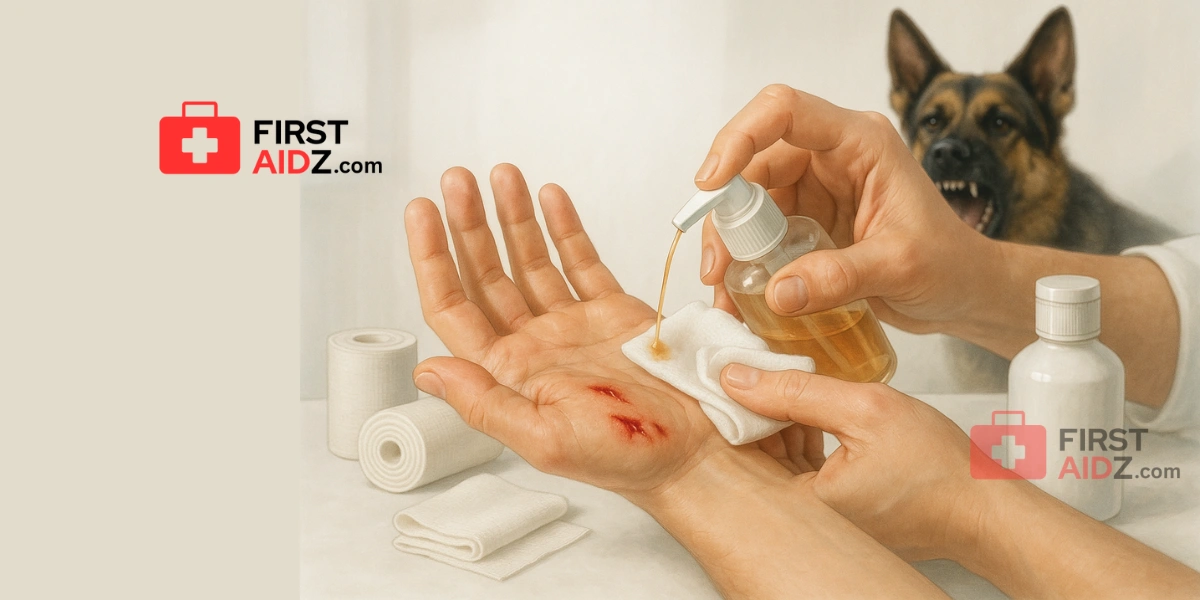
Wash the wound thoroughly – Use mild soap and running water for at least 5 minutes. This helps flush out saliva, dirt, and bacteria. Avoid scrubbing too harshly, as that can damage tissues further.
-
Control bleeding – If the bite is bleeding, apply gentle but firm pressure with a clean cloth or sterile gauze. Elevating the wound above the heart level helps slow the bleeding.
-
Apply antiseptic – After cleaning, apply an antiseptic solution such as hydrogen peroxide, iodine, or alcohol. This reduces bacterial presence.
-
Cover the wound – Use a sterile bandage to keep dirt and bacteria out. Change the bandage at least once a day or whenever it gets wet.
-
Avoid stitching right away – Unless a doctor recommends it, deep punctures are often left open at first to allow drainage. Closing them too soon can trap bacteria inside.
While doing this, it’s also important to stay calm. Panic can make the situation worse. If the dog is still around, move away to prevent another attack. If it’s a stray dog, try to remember details about its appearance for later reporting.
Immediate first aid doesn’t replace medical care, but it buys you valuable time and lowers infection risk until you can see a doctor.
Medical Attention and Professional Care
No matter how small a dog bite looks, getting medical advice is always wise. Doctors can determine whether you need additional treatments such as vaccinations, antibiotics, or even surgery in severe cases.
A doctor will typically:
-
Assess the wound for depth, damage to nerves or tendons, and signs of infection.
-
Prescribe antibiotics if there’s a risk of bacterial infection.
-
Give a tetanus booster if you haven’t had one in the last 5–10 years.
-
Start rabies post-exposure prophylaxis (PEP) if the dog’s vaccination status is unknown or if it was a stray.
In some cases, stitches may be necessary, especially for large or gaping wounds. However, doctors often avoid closing puncture wounds right away because it can trap bacteria inside.
Another key step is documentation. Hospitals often report dog bites to local authorities, especially if the dog is stray or unvaccinated. This helps track potential rabies cases and ensures public safety.
The bottom line is simple: if you’ve been bitten, don’t take chances. Even if the bite looks minor, consulting a doctor ensures you’re not overlooking hidden dangers.
Preventing Infections After a Dog Bite
Infection is the most common complication after a dog bite, and preventing it requires consistent care. Once you’ve received first aid and possibly medical treatment, the next step is keeping the wound clean as it heals.
Daily care involves:
-
Changing the dressing regularly – At least once a day, or whenever it becomes dirty or wet.
-
Cleaning gently – Use mild antiseptics to clean the wound, but avoid overusing harsh chemicals, which can slow healing.
-
Taking prescribed antibiotics – If your doctor gives antibiotics, complete the full course even if the wound looks better. Stopping too early can allow bacteria to return stronger.
-
Watching for warning signs – Increased redness, swelling, heat, pus, or fever means you should return to the doctor immediately.
Alongside medications, you may also be prescribed pain relievers to manage discomfort.
Another overlooked aspect of infection prevention is rest. The more you stress the injured area—especially if it’s on your hand or leg—the slower the healing process. Giving your body time to recover speeds things up.
Preventing infection is not just about medicine but also about patience and consistent care. The goal is not only to heal but also to avoid long-term scars and complications.
Understanding Rabies Risk
Rabies is one of the deadliest concerns after a dog bite, and it should never be underestimated. This viral disease attacks the nervous system and, once symptoms appear, it is almost always fatal. The only way to stay safe is to act quickly before the virus develops.
Rabies spreads through the saliva of infected animals. That means any bite, scratch, or even licking on broken skin could pose a risk. Unfortunately, you cannot tell if a dog has rabies just by looking at it. Some infected dogs may show aggression, excessive drooling, or unusual behavior, while others might appear completely normal.
If you are bitten by a dog whose vaccination history is unknown, doctors usually recommend post-exposure prophylaxis (PEP). This involves a series of rabies vaccine shots, sometimes combined with rabies immunoglobulin for high-risk bites. The earlier these shots are given, the more effective they are at preventing the virus from spreading.
Key things to remember about rabies risk:
-
Stray dogs pose the highest risk.
-
If the dog can be observed for 10 days and shows no signs of illness, rabies risk is minimal.
-
Do not wait for symptoms in yourself—by then, treatment is too late.
Rabies prevention is truly a case of “better safe than sorry.” Acting quickly could mean the difference between life and death.
Tetanus and Other Bacterial Infections
Apart from rabies, another major concern after a dog bite is tetanus. This bacterial infection affects the nervous system and causes muscle stiffness, spasms, and sometimes breathing difficulties. Even a small puncture wound can provide an entry point for tetanus bacteria, which thrive in deep, oxygen-poor environments.
Most people receive tetanus vaccinations as part of routine immunization, but protection fades over time. That’s why doctors often recommend a tetanus booster shot if you haven’t had one in the last 5–10 years.
Other bacterial infections from dog bites include:
-
Pasteurella – Causes redness, swelling, and pain within 24 hours.
-
Staphylococcus and Streptococcus – Can lead to cellulitis or bloodstream infections.
-
Capnocytophaga – Rare but dangerous, especially for people with weak immune systems.
The best way to prevent these complications is through proper wound cleaning, timely medical care, and completing any antibiotic course prescribed.
Ignoring these infections can lead to serious consequences, such as abscesses, tissue death, or even systemic infections like sepsis. That’s why staying alert for warning signs is essential.
Home Remedies vs. Medical Care
When it comes to dog bites, many people wonder if home remedies are enough. While basic first aid is absolutely necessary, relying only on home treatments can be risky.
Safe home remedies include:
-
Cleaning with soap and water immediately.
-
Applying ice packs to reduce swelling.
-
Using natural healing aids like aloe vera or turmeric paste (only after proper medical care, not as a substitute).
Dangerous myths to avoid:
-
Burning or cauterizing the wound.
-
Applying coffee, toothpaste, or chili powder (common in some cultures but unsafe).
-
Ignoring the bite because “the dog looked healthy.”
The truth is simple: home remedies can support healing, but they cannot replace professional care. Rabies vaccines, tetanus boosters, and antibiotics are things only a doctor can provide.
Think of it like car maintenance—washing your car at home is helpful, but if the engine breaks, you need a mechanic. Likewise, home remedies can help recovery but won’t prevent life-threatening infections.
Treating Dog Bites in Children
Children are the most common victims of dog bites, and their injuries are often more serious. Because of their small size, bites usually affect the face, neck, or hands—areas where infections and scarring can be severe.
Immediate steps for treating children include:
-
Stopping the bleeding quickly – Apply gentle pressure with a clean cloth.
-
Thorough cleaning – Use soap and water for at least 10 minutes, as children’s immune systems are more vulnerable.
-
Calming the child – Fear and panic can make the situation worse. Reassure them while providing care.
-
Seeking medical care immediately – Doctors may recommend stitches, antibiotics, or vaccines depending on the bite’s severity.
Beyond physical wounds, children often suffer emotional trauma after a bite. They may develop a fear of dogs or even nightmares. Parents should be patient and provide reassurance, sometimes even involving a counselor if needed.
Prevention is equally important. Teaching children how to approach dogs safely—never pulling tails, not disturbing a dog while eating, and avoiding eye contact with unfamiliar dogs—can reduce the chances of future incidents.
Treating Dog Bites in Adults vs. Elderly
While adults can often handle minor dog bites with quick first aid and medical care, elderly people face unique challenges. With age, the body’s ability to heal slows down, and pre-existing conditions like diabetes or weak immunity increase the risk of infection.
For adults:
-
Quick cleaning and seeking medical care is usually enough.
-
Tetanus boosters may be needed if vaccinations are outdated.
-
Most recover fully within weeks if the bite is not severe.
For elderly patients:
-
Healing is slower, meaning daily wound care is even more critical.
-
They may need longer antibiotic courses to prevent infections.
-
Complications such as cellulitis, sepsis, or deep tissue infections are more common.
-
Reduced mobility means a bite on the leg can quickly affect balance and independence.
The difference comes down to resilience. Younger adults heal faster, while elderly patients require more attentive care and monitoring. Families should step in to support elderly relatives by ensuring wounds are cleaned, medicines are taken on time, and follow-up visits are not missed.
Psychological Impact of Dog Bites
Dog bites don’t just leave physical wounds—they often leave emotional scars too. Many victims, especially children, develop a fear of dogs after being bitten. This fear can linger for months or even years, making it difficult to feel safe around animals again.
Some common psychological effects include:
-
Anxiety and panic attacks when encountering dogs.
-
Nightmares or flashbacks of the incident.
-
Loss of confidence in public places where dogs are common.
-
Post-traumatic stress disorder (PTSD) in severe cases.
Helping victims recover emotionally is just as important as treating the physical wound. Supportive conversations, reassurance, and gradual reintroduction to friendly, calm dogs can help reduce fear. For children, reading stories or watching positive videos about dogs can slowly rebuild trust.
If trauma is severe, counseling or therapy may be necessary. Professionals can guide victims through coping strategies, relaxation techniques, and gradual exposure therapy.
Remember: a dog bite isn’t only about treating skin and blood—it’s about healing the mind and heart too.
Legal and Reporting Requirements
After a dog bite, many people wonder: Should I report it? The answer is yes. Reporting is important for both public safety and legal protection.
If the bite came from a pet dog, the owner is usually responsible. Most countries require that the dog’s vaccination history be checked. In some places, owners can face fines or legal action if their pet was not properly controlled.
When bitten by a stray, reporting to animal control authorities or local health departments is crucial. They can attempt to capture the dog for observation, which helps determine rabies risk.
Here’s what usually happens when you report:
-
The incident is documented by healthcare providers or authorities.
-
The dog may be quarantined and observed for 10 days.
-
If rabies is suspected, immediate public health action is taken.
-
You may receive guidance on compensation or legal steps if negligence was involved.
Failing to report can put others at risk, especially if the dog is aggressive or sick. By reporting, you not only protect yourself but also prevent future attacks on others.
Preventing Dog Bites
As the saying goes, prevention is better than cure. Dog bites can often be avoided by following simple safety measures.
For Dog Owners:
-
Train your dog from an early age with obedience commands.
-
Socialize dogs with other pets and people to reduce aggression.
-
Avoid leaving small children unsupervised with dogs.
-
Keep vaccinations up to date.
For Non-Owners:
-
Never approach a strange dog without the owner’s permission.
-
Avoid direct eye contact, which dogs may perceive as a threat.
-
Do not disturb a dog while it is eating, sleeping, or caring for puppies.
-
Teach children to stay still (“like a tree”) if an unknown dog approaches aggressively.
By understanding dog behavior and respecting boundaries, many bites can be prevented. Education plays a key role here—both owners and the public should learn about safe interactions with dogs.
Long-Term Care and Recovery
Recovery from a dog bite doesn’t end once the wound closes. For many people, long-term care is necessary, especially if the bite was deep or on visible areas like the face or hands.
Physical Recovery:
-
Regular wound cleaning until fully healed.
-
Scar reduction treatments, such as silicone gels or laser therapy.
-
Physical therapy if the bite affected muscles, joints, or nerves.
Emotional Recovery:
-
Counseling to overcome fear or trauma.
-
Support groups for victims of animal attacks.
-
Gradual positive exposure to friendly dogs.
Some people may also need cosmetic surgery if the bite leaves visible scars. This is especially important for children, as facial bites can impact self-confidence.
Recovery is not just about healing—it’s about regaining a sense of normalcy. With proper medical care, emotional support, and patience, most people make a full recovery after a dog bite.
Final Thoughts on Dog Bite Treatment
A dog bite is more than just a small injury. It’s a potential gateway to infections, tetanus, and rabies—all of which can have serious consequences if ignored. That’s why quick action matters.
The right steps are:
-
Clean the wound immediately.
-
Control bleeding and apply antiseptic.
-
Seek medical attention without delay.
-
Follow through with vaccines, antibiotics, and daily care.
-
Report the bite to ensure community safety.
At the same time, prevention and awareness are key. By training dogs, educating children, and respecting boundaries, many bites can be avoided altogether.
Ultimately, treating a dog bite isn’t just about physical healing—it’s about protecting life, preventing fear, and promoting safe coexistence between humans and dogs.
FAQs
1. How soon should I see a doctor after a dog bite?
Immediately, especially if the bite broke the skin. Even minor wounds can carry infections or rabies risk.
2. Can I treat a dog bite at home without going to the hospital?
You can perform first aid at home, but medical attention is strongly recommended to prevent infections and ensure safety.
3. Do all dog bites need a rabies vaccine?
Not always. If the dog is vaccinated and healthy, doctors may not recommend it. But if the dog’s status is unknown, rabies shots are necessary.
4. How long does it take for a dog bite to heal?
Minor bites may heal in 7–10 days, while deeper wounds can take weeks or even months, especially if complications occur.
5. What should I do if a stray dog bites me?
Wash the wound immediately, seek urgent medical care, and report the incident to local health or animal control authorities.
DISCLAIMER:- This article is for informational purposes only and not a substitute for professional medical advice. Always seek immediate medical attention after a dog bite or suspected infection.
1 thought on “How to Treat a Dog Bite”
Comments are closed.